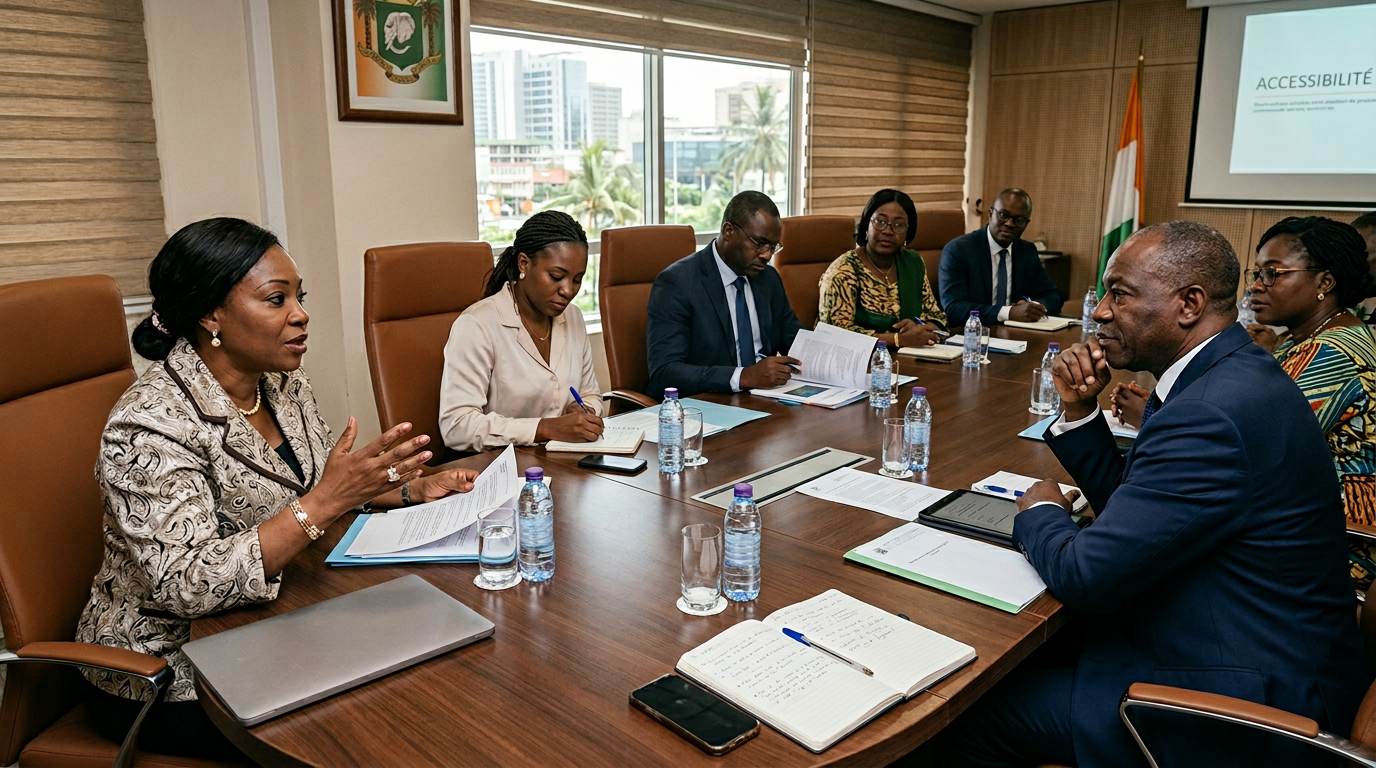

A local communication-access route for Cote d'Ivoire.
SignBridge provides video relay access within the local context of Cote d'Ivoire, with a focus on service use in appointments, workplaces, public services, and public-facing interactions.

SignBridge VRS | Communication access in Cote d'Ivoire
We are building a system in which Deaf people in Cote d'Ivoire can participate on equal terms, without barriers to communication. Access to communication should form part of the country's service infrastructure across public services, organizations, and daily civic life.
SignBridge combines local delivery with technical infrastructure designed for institutional use.
About
SignBridge supports access to communication in work, services, healthcare, and public interaction. The service approach is grounded in equality and respect for human dignity as a standard of access, not a privilege.
SignBridge provides video relay access within the local context of Cote d'Ivoire, with a focus on service use in appointments, workplaces, public services, and public-facing interactions.
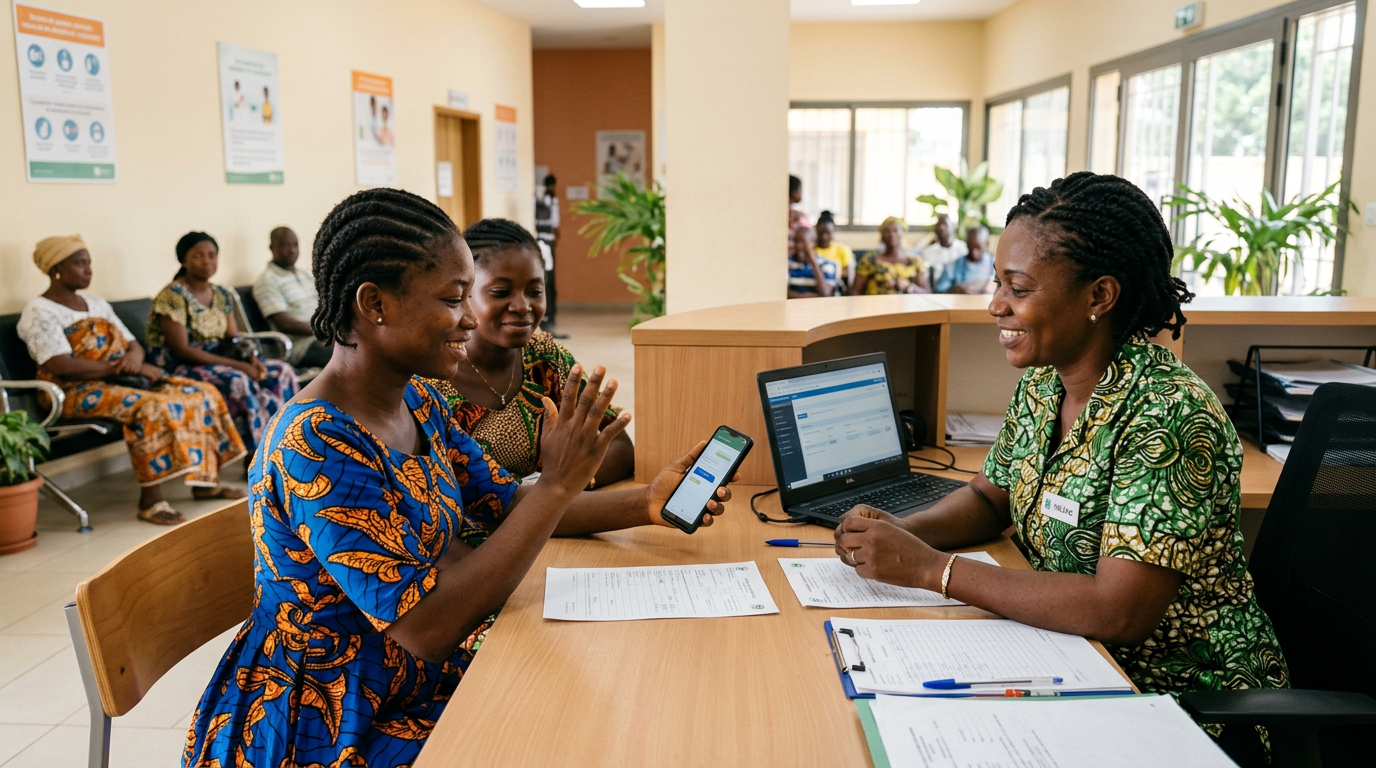
SignBridge operates in Cote d'Ivoire with Comfort Life Technologies as technical partner, providing a platform base that supports service continuity, operational clarity, and future scale.
The service model is intended to help organizations introduce accessible communication in a way that is more consistent, more manageable, and more realistic to operate over time.
Who It Serves
SignBridge creates value at two levels: direct communication access for Deaf users and a more structured operating model for institutions, employers, and service teams.
The service is relevant where communication affects employment, appointments, access to services, healthcare, and participation in daily civic and social life.
Public institutions, employers, and service providers can use SignBridge as a more structured route for accessible communication in environments where service quality and accountability matter.
Access Formats
SignBridge can be delivered through multiple access routes, allowing organizations to apply the format that best fits the point of service, device context, and delivery model.
Browser-based access for offices, service points, and appointments where a straightforward web route is appropriate.
Fast entry into communication support at receptions, counters, clinics, and other public-facing service points.
Portable access for communication needs that arise outside a fixed workstation or service desk.
A structured assisted route for organizations that require coordinated communication support across teams or service channels.
Why Accessibility Matters
Accessible communication affects service quality, equal treatment, and the ability of institutions to serve the public in a consistent and inclusive way.
Essential services, customer interactions, and institutional contact points become harder to navigate when communication support is delayed or absent.
When access depends on improvisation, the burden falls on the person who is already least supported by the system.
A VRS model supports the move from inclusion intent to a service route organizations can implement and manage.
Clear public access and a stable operating model create a stronger foundation for broader institutional adoption.
Worldwide need
WHO reporting reinforces that accessible communication should be treated as part of public and service infrastructure.
Regional need
WHO Africa also warns that this burden could rise to 54 million by 2030 without stronger intervention.
Access model
This gives institutions a defined partnership model while keeping access simpler for the people who need support.
Service Value
The value of SignBridge is not only technical. It is operational, institutional, and social, because it supports communication access that is easier to deliver, govern, and trust.
That matters in services, appointments, and institutional environments where timing and clarity affect outcomes.
That local focus allows institutions, partners, and users to evaluate it as a practical national service route.
This allows communication support to remain more equitable while also remaining more workable for partner organizations.
Web, QR, mobile, and assisted formats allow the model to fit different operating environments without changing the core service logic.
That makes accessibility easier to finance, operate, monitor, and scale across public-facing teams and environments.
This combination of local delivery and technical backing helps create a stronger base for continuity, reliability, and long-term growth.
Institutional Perspective
When communication access is delivered more reliably, the result is stronger service quality, clearer interaction, and stronger confidence between institutions and the people they serve.
For Deaf users, that creates a more reliable path through services and daily interactions where timing and understanding matter.
When the delivery model is easier to operate, accessibility is more likely to remain part of routine service practice.
This gives the model value beyond the call itself by improving how public and service environments are experienced.
Frequently Asked Questions
Key information for institutions, partners, and service users reviewing the SignBridge model.
SignBridge VRS is a communication-access service in Cote d'Ivoire designed to support Deaf users across public services, workplaces, healthcare, and daily interactions.
The service is relevant both to Deaf users and to the institutions, employers, and service teams responsible for accessible communication delivery.
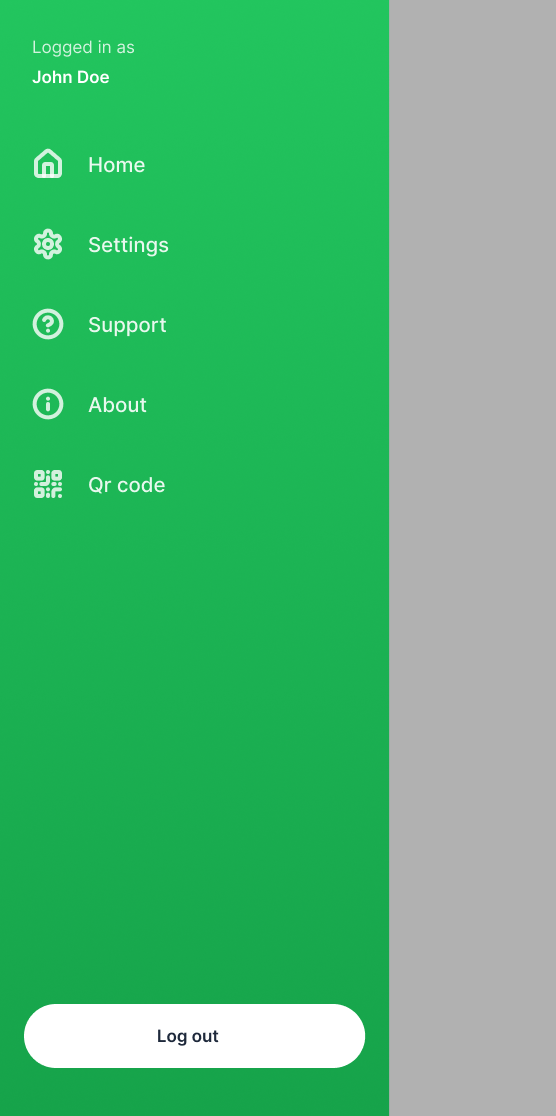
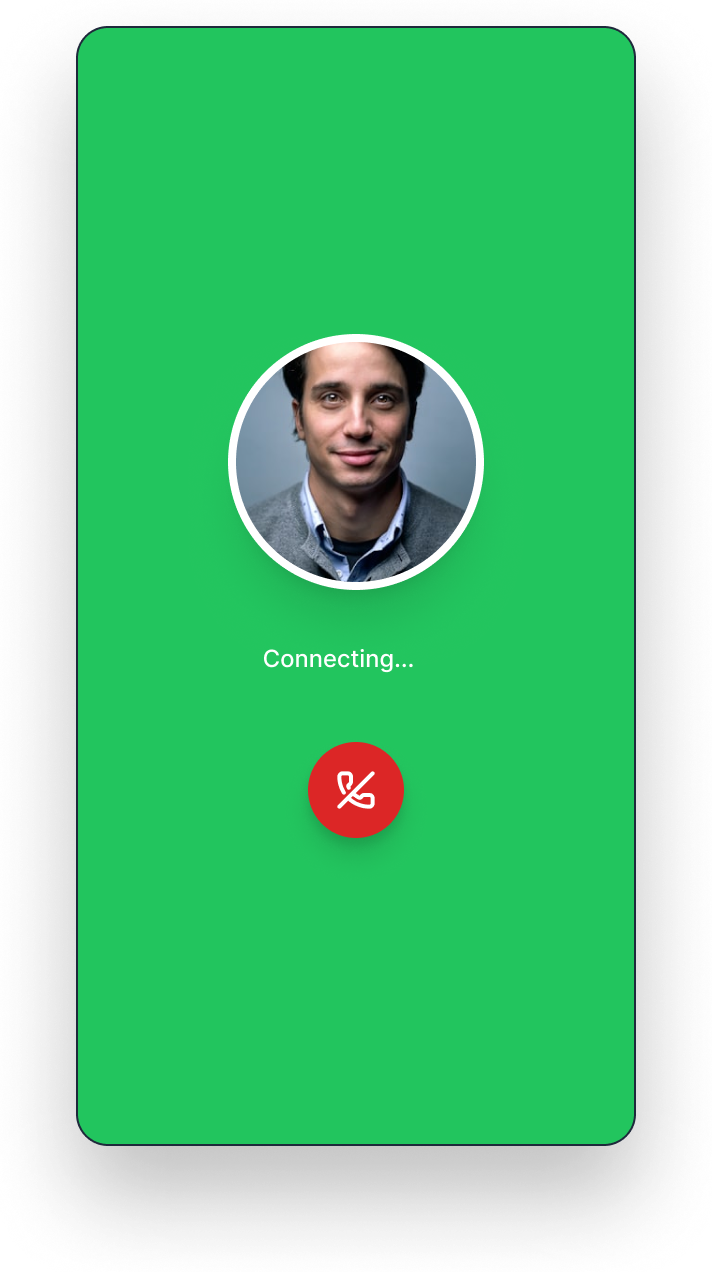
Access can be provided through web, QR, mobile or tablet, and more structured assisted-service formats, depending on the operating context.
The model is structured so that organizations support delivery while access for end users remains simpler and more inclusive.
The current public entry point is the web app: africa.gpdit.com/en.
General enquiries can be sent to info@signbridge.africa.
Comfort Life Technologies supports SignBridge as technical partner and platform provider, while SignBridge operates as the local service in Cote d'Ivoire.
It supports the move from inclusion intent to a usable and repeatable communication route that improves access, service quality, and public confidence.